

 LED Panels
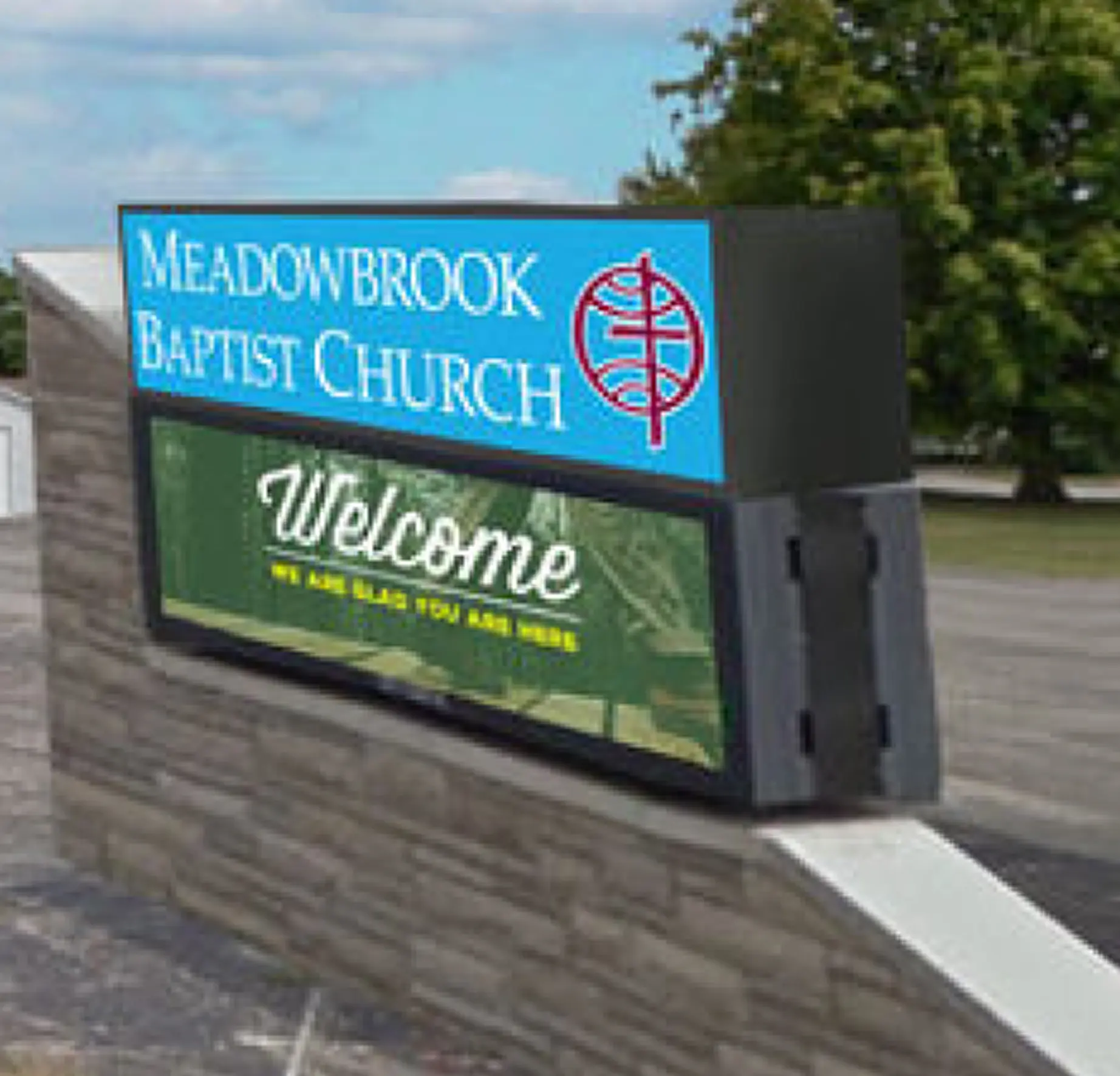
 Light Box Signs
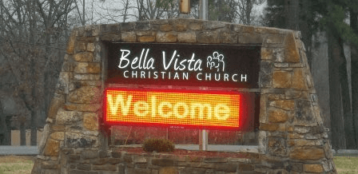 Programmable LED Signs
 LED Street Light Solutions
 We’re Available to Help:
 Placing a church sign in an area where congregation members frequently travel is the answer to motivate them to visit the church. With successful signage, you will be able to convert church awareness into actual visits made by potential members. A sign is the first impression for people living around the church and also has the capacity to increase the number of worshippers within the community. Therefore, in addition to location, several other factors such as type, size, style and cost should be considered when designing a church sign.
The first question to ask yourself is “what is the real purpose of the signage?”. Is it simply used as an aesthetic finishing touch for the church? Or is it used to engage uninvolved passersby and motivate them to get involved? People driving by may not give it a second look either because they are not interested or because they possess an unknown fear. Make your sign insightful or humorous in a way that makes people stop and look, in order to make the church more relevant to them. Other positive ideas for a church sign is to give people the image that the church is ‘open and loving’ to anyone and everyone. This will eliminate fears of the church being a cold and judgmental place to be. Simply displaying the address and contact details of the church on a sign may not be good enough because that does not increase the relevance that a church should have on one’s life. The sign should invade their thoughts and somehow get them to engage with the church, be it just for a day. That one day may lead to every week and then eventually become a part of the congregation.
When deciding what the church sign should say, also keep in mind the community within which the church is located. Study the demographics and identify how a new church would be useful to its neighbors. Also, don’t forget to take a look at the zoning laws, which will answer your questions of size, site and set-back of the sign. Your sign choices will narrow down because every block on the street may have different regulations to cater to. In addition to that, every zone may have its own issues. For example, the probability of natural hazards may play an important role in deciding how strong and how high the sign needs to be.
Another critical factor is the placement of the sign. While perpendicular signs are most readable, zoning regulations will once again come into play here. Watch out for anything being obstructed as a result of your sign. Be aware of water and gas lines to avoid digging into one of them. Lastly, keep in mind the actual driving speed in the area and set your letter sizes based on that.