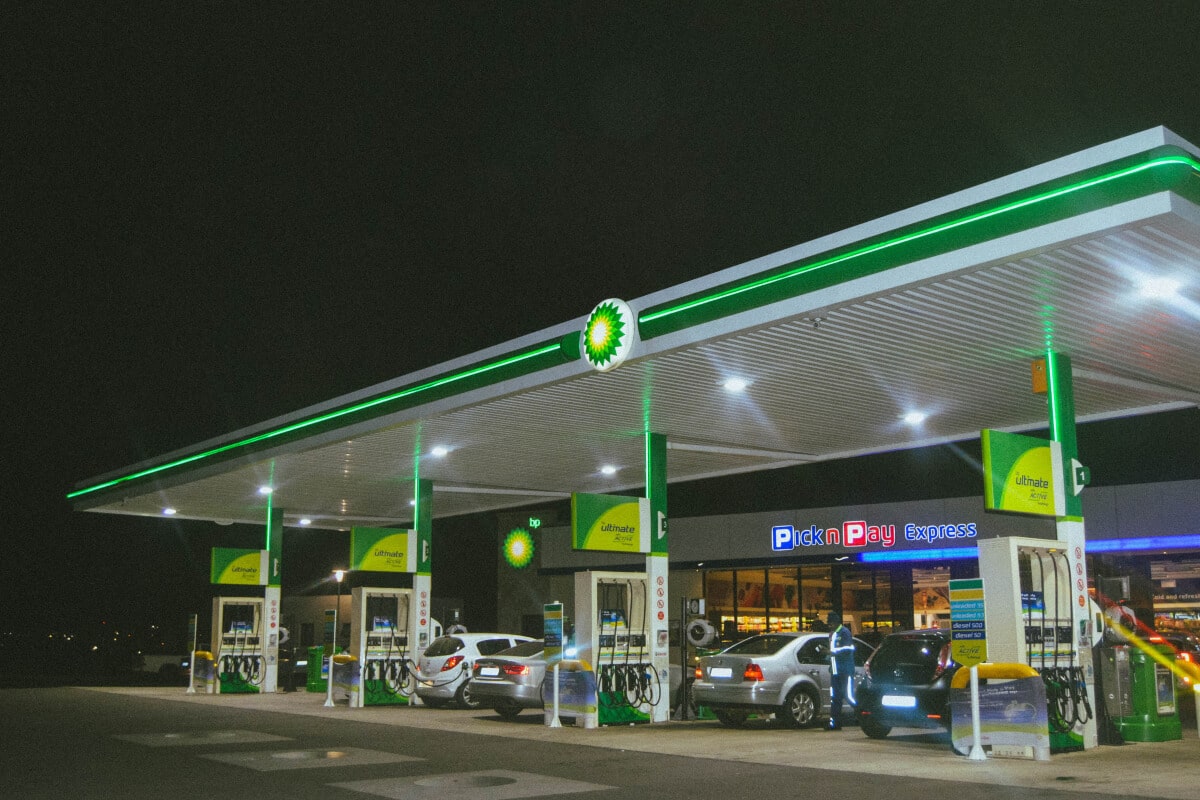


 LED Panels
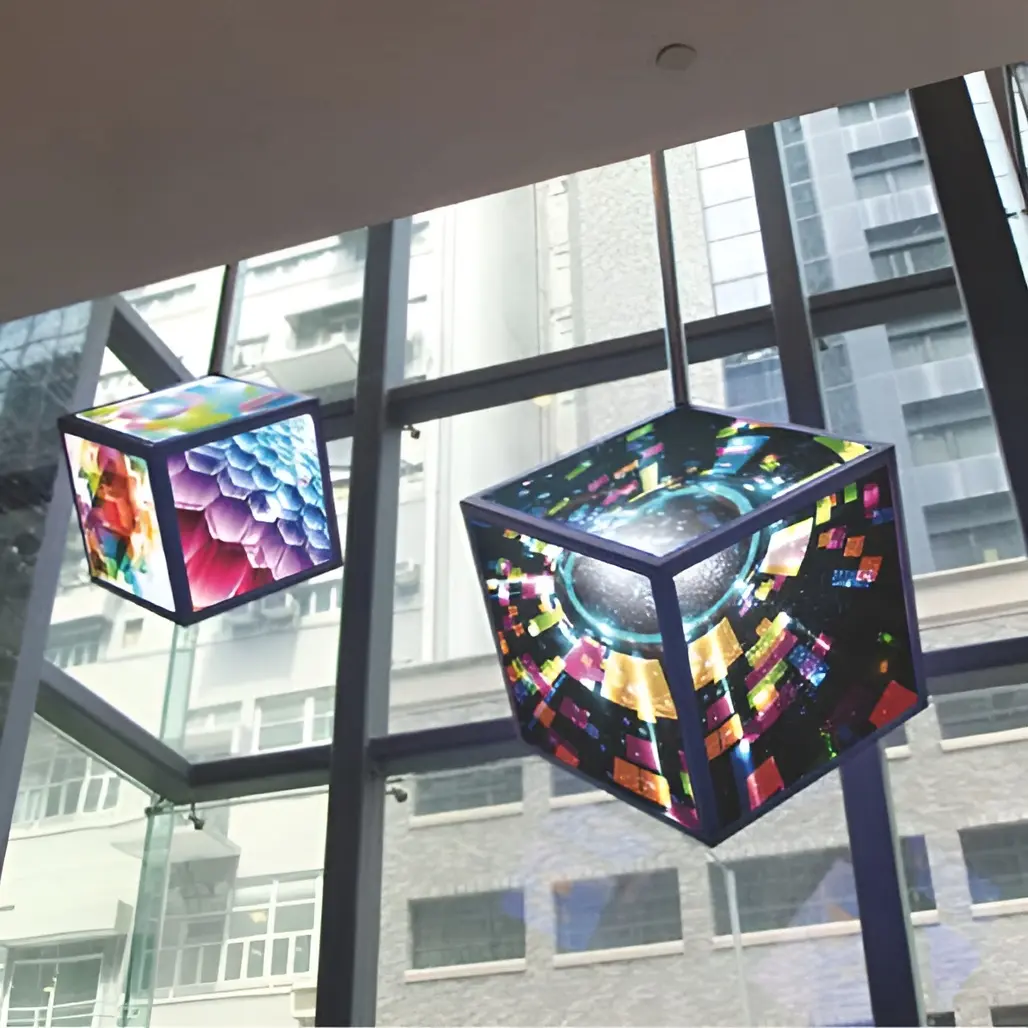 Light Box Signs
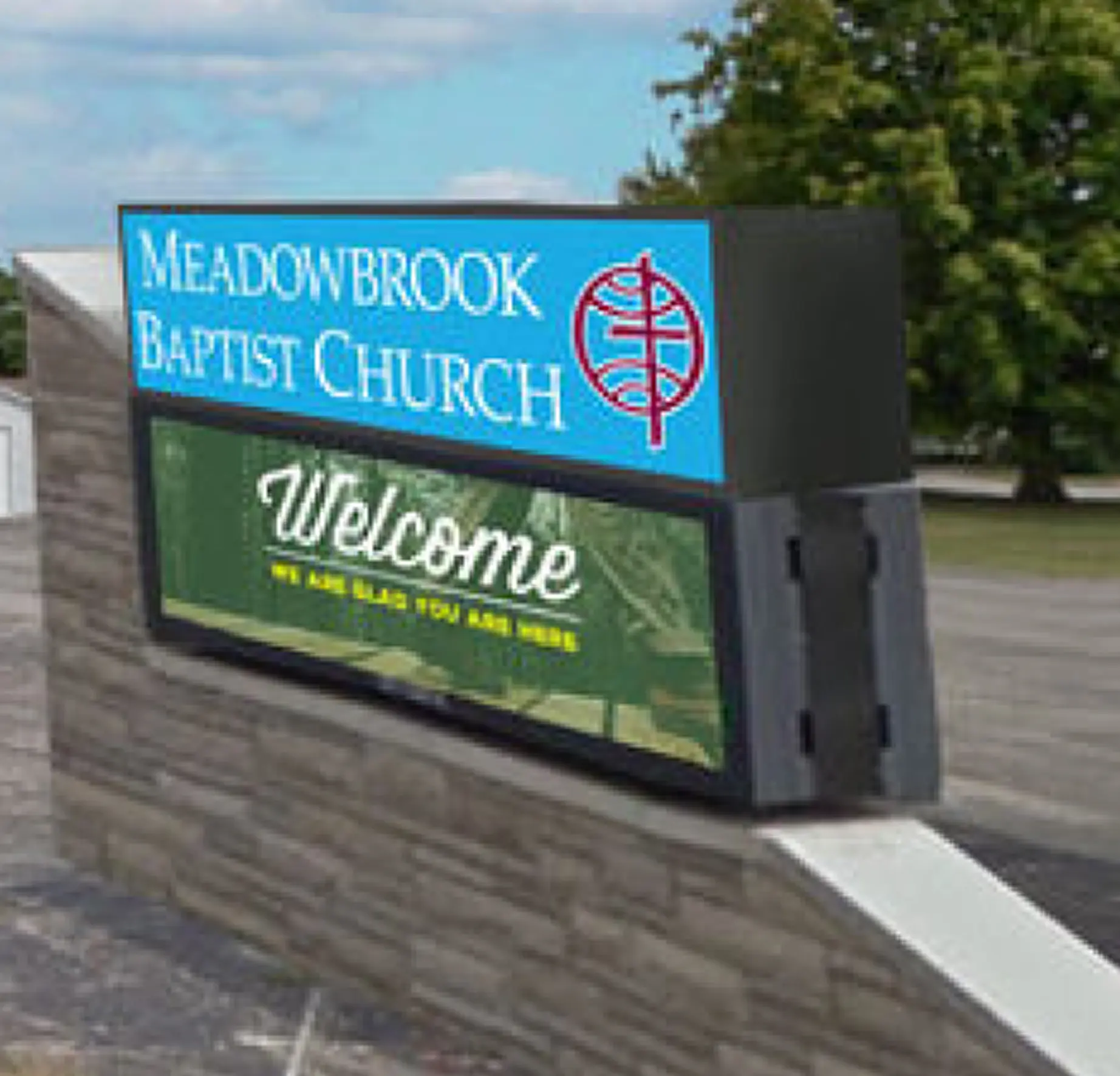
 Programmable LED Signs
 LED Street Light Solutions
 We’re Available to Help:
 Due to its massive flexibility to be able to adapt to all kinds of environments, digital signage is signaled as a ‘must-have’ technology in any industry.
Now, the Internet of Things (IoT) is influencing digital signage and together they produce a powerful partnership.
The Internet Versus the Internet of Things
Digital signage is able to connect to the Internet, which is highly beneficial – particularly to provide real-time data.
Moving forward:
By connecting digital signage to the Internet of Things, a whole new level of capabilities can be reached!
Smart cities like New York, for example, are already making use of digital signage and IoT combination to make life simple and safe for its citizens. Management of emergency situations is one such possible situation.
On the other hand, IoT can be used in conjunction with digital signage in the commercial environment to provide precise and targeted content to customers. This can be developed based on two important questions:
- What data can be assumed as the most relevant, real-time data for this particular customer?
- Which elements of real-time data will provide the most meaningful ROI?
In addressing the first issue, interactive digital signage will come into play where input from customer will initiate the engagement. Some sort of minimum interaction level is required to avoid barriers to entry.
Furthermore, with the help of IoT, digital signage can directly communicate with mobile devices and wearable technology. Thereby enabling it to accurately expect what the customer wants and provide accordingly. Digital signage can also communicate with the personal devices of the customer to provide assistance until the customer completes whatever they are trying to do. For instance, in a retail clothing environment, customers make use of apps to initially select items and then with the larger digital display, they virtually try on those items. The larger digital sign then sends directions to their personal mobiles to help them shortlist items and choose what to purchase. Also, if necessary, this kind of real-time data will allow customers to actually try on those items before they finish the final payment transaction at the counter or via the in-store digital sign.
So which real-time data elements do you think will provide the most meaningful ROI?
If looking at principle, the combination of digital signage and IoT can provide customers with unlimited real-time data. However, in the real world, this scenario is unnecessary and undesirable.
What businesses need to do instead is to identify and focus on the uses that will provide the highest returns. And in most cases, this will mean that using IoT will polish the way electronic signage is already being used.
In the hospitality industry, for example, LED screens are used to display and inform visitors about special promotions. By combining IoT to the signage, customers’ mobile devices can connect to the displays via loyalty apps. They will then be able to see the customized offer when they are standing in front of a particular digital display in the hospital.
There are many such examples to show that digital signage and IoT can work with amazing synergy in a wide range of industries, moving forward.