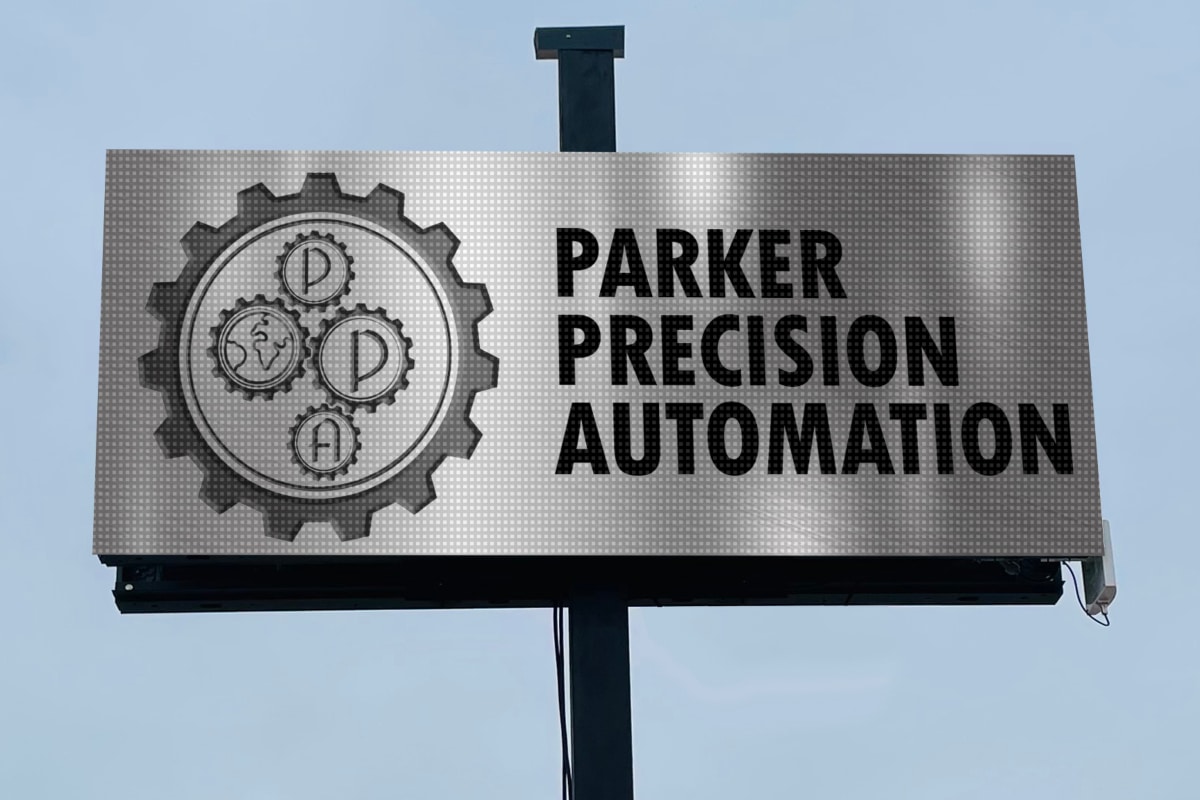



 LED Panels
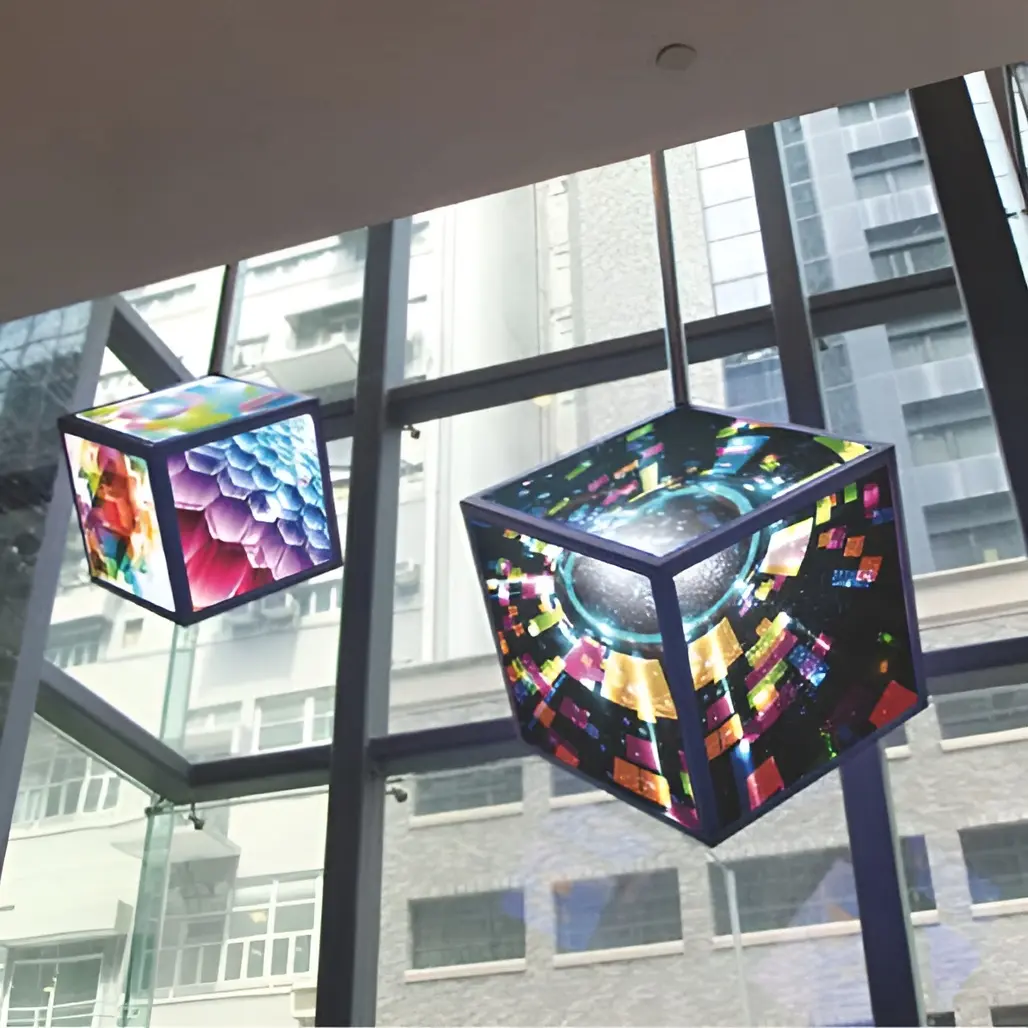 Light Box Signs
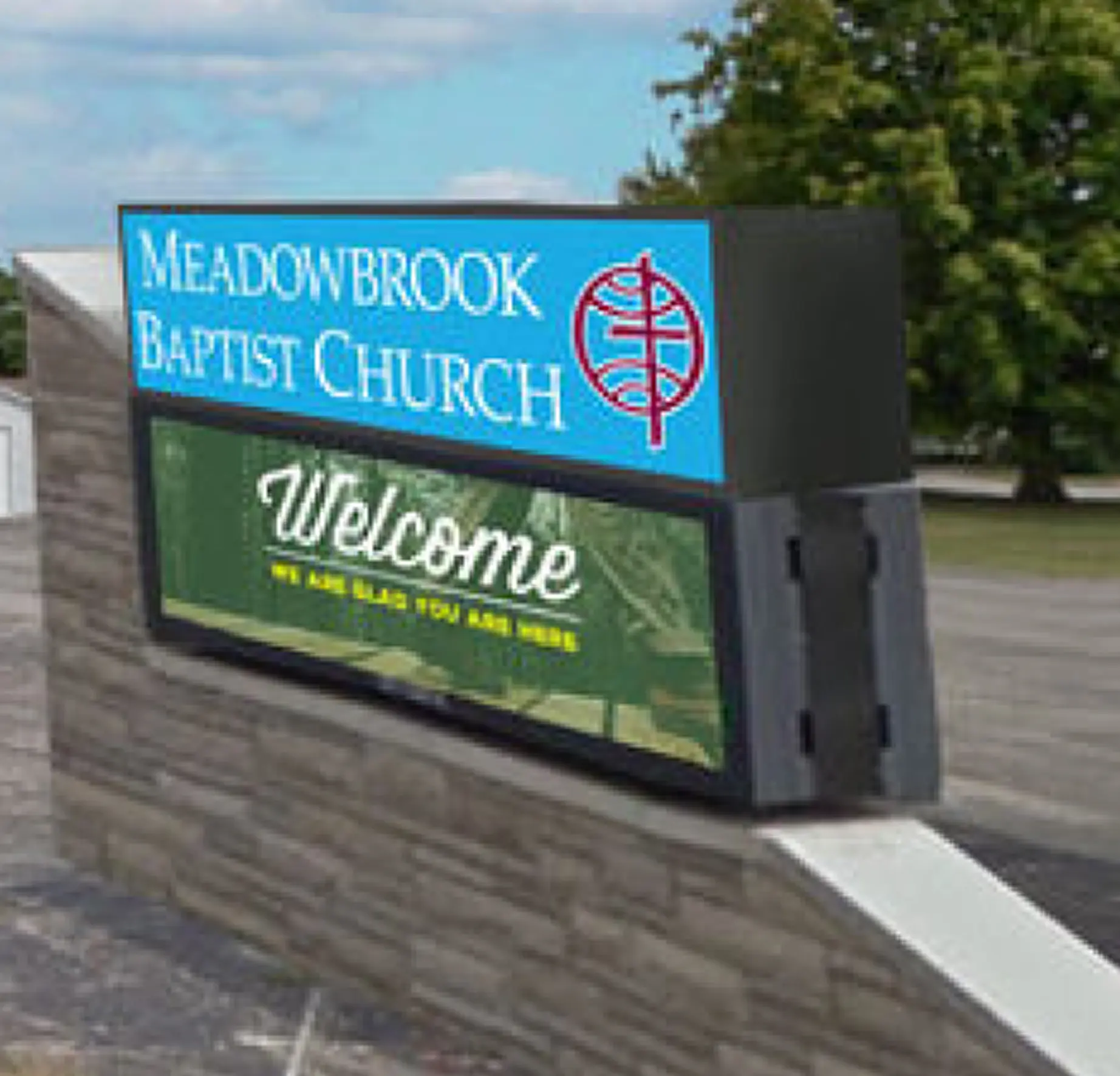
 Programmable LED Signs
 LED Street Light Solutions
 We’re Available to Help:
 As recently as a couple of years ago, the hottest topic in the industry of LED displays is that of high resolution or high definition screens. With lower power consumption and higher reliability of these high resolution LED displays, the operating cost of the finished product reduces dramatically. Furthermore, technology allows for creating these displays in any desired size and shape. Thinness of screens means minimum real estate is consumed and reduced pixel pitch means displays are becoming sharper. Also, due to the declining prices of LEDs, more and more businesses are being able to invest in high resolution LED displays.
When compared to a projection display system or an LCD display, a high resolution LED display has several advantages. One of the most important ones is the ability to display high quality images without distraction from:
- bezel
- ambient lighting adjustment
- free form.
With continuing improvements in display technology, these high definition LEDs are becoming popular solutions for indoor applications such as for commercial use in shopping centers, meeting rooms, TV studios, control rooms and so on. When viewed off axis, the image on an LED display looks uniform. Hence it is ideal for retail applications where consumers are viewing it from a wide variety of angles. With an increased contrast ratio, the display can be made vibrant and suitable for outdoor uses such as window display and sports stadiums.
For an LED display, the LED driver Integrated Circuit (IC) is an essential component. Although these ICs claim that they can display high resolution images, there are still some unsolved visual quality issues that need to be addressed. Here we will discuss tips and tricks of successful visual performance on high resolution LED display using the correct and incorrect LED driver ICs.
- Patch and red tint
For an indoor LED display, the convergence of the low currents is very important. If the LED driver IC has a poor skew, there will be visible patches of non-uniform grayscale in the LED picture reproduction. This problem can be solved by increasing brightness but the downside of this is that the audience may feel uncomfortable after long periods of staring at the display.
Therefore the correct solution for this would be to use an LED driver IC that compensates for the shift in colors or cover the defect by increasing the LED current a tad bit.
- Detail loss at low brightness
The above problem can also be patched up by changing the gamma of the LED display instead of increasing the LED current. During picture reproduction, luminance of grayscale is very important for accurate colors to be displayed. This is because most of the picture information in a video signal comes in the luminance. Low gamma setting means the luminance in the mid-tones are high. This will make the picture look washed out and lack depth. Higher gamma settings give greater visibility.
- Unsmooth gradient
High resolution LED displays are multiplexed – which make them different to hold-type LCD displays. Therefore, the refresh rate is an important performance indicator in a high resolution LED display. Low refresh rates will cause the image to flicker and make the audience feel dizzy, but will give an unsmooth gradient finish.
- Stripe or cross caused by a dead LED
Even if you purchase the best quality of LED display available in the market, there will be a loss in quality at some point after many hours of operation. A dead LED is when a bright stripe or cross is caused across the display by a dead LED pixel. The effect of this is quite annoying to operators and audiences. Such nuances should be eliminated by a good LED display. LED driver ICs have a function known as ‘dead pixel isolation’ which help to get rid of these annoying issues. While eliminating these malfunctions, the high resolution LED display can remain fully operational and the user can schedule the replacement of the dead LED at their own convenience.
High definition LED screens bring audiences closer to the displays, leading to more rigorous image quality requirements for LED display investors and audiences. The above issues are common in high resolution LED displays. However, most LED buyers do not notice these differences easily because they do not have in-depth knowledge about basic image principles and how LED driver ICs should function on an LED display. LED driver ICs play a key role in the image performance of an LED display system. Hence the best way to avoid these visual problems is to make sure you choose good quality LED driver ICs that are particularly designed for high resolution LED screens.