
 LED Panels
 Light Box Signs
 Programmable LED Signs
 LED Street Light Solutions
 We’re Available to Help:
 IoT is causing a rapid shift in the world of digital signage – in terms of deployment, content and management. Organizations that were previously involved in manual content deployment are now understanding the benefits (such as less downtime and cost effectiveness) of cloud infrastructure and virtual platforms. Every aspect of a digital signage solution can be handled remotely, without physical access to the device. The LED displays can be managed from anywhere that provides access to the internet. Moreover, the integration of sensors such as cameras allow hyper personalization for individuals or groups and maximize the value of engagement.
The retail industry is one of the main areas where the IoT and digital signage combination really shines. In consumer-centric environments, the trend is towards personalized and emotionally connected experiences.
Big box: businesses in this industry are using new IoT solutions such as strategic placement of electronic signage in areas that once held a lot of cluttered traditional signage. Also, introducing touchscreens in these locations for providing an interactive solution to consumers and employees is proving to be helpful in giving brands new customer touch points that did not exist before.
Grocery: in grocery stores, its all about shelf space. Digital screens do not take up large amount of shelf space, hence is not a loss of revenue for a grocer. Instead, creative smart solutions such as digital shelving in strategic areas of a store must be introduced. With indoor and outdoor digital signage, stores can quickly and easily update content as per the changes in promotions and also utilize creative video messaging to attract shoppers.
Specialty: for specialty retailers, telling their brand story is key. Businesses can incorporate the lift and learn technology that provides hands-on consumer connections to products. How this works is when a customer wants to learn more about a particular product, they can physically touch and lift the product, which in turn triggers video content related to the features of that product.
QSR: with electronic displays used as menu boards, camera technology can be incorporated to track the movement of customers eyes, which helps the marketing team to better position creative assets on their menu and shift customer attention towards high margin items.
Healthcare: entertaining LED displays placed in patient waiting rooms will enhance patient experience. By utilizing small devices connected to the internet to provide innovative video solutions creates a customizable television-like experience. Healthcare companies can in fact create their own TV network, thus immediately enhancing customer waiting experience.
Financial Institutions: connecting digital displays to the internet ensures real-time financial information being posted, which means customers have access to the most accurate information possible. Moreover, basic demographic information can be gathered by integrating analytics cameras and relevant content can be displayed using that information. For example, 20-year-olds can be presented with information on how to plan their financials, how to arrange long-term savings programs and home mortgage assistance, while older viewers can be informed about retirement planning.
Transporting: incorporating sensors into buses and other public transport vehicles that are instructed to communicate with digital signage systems placed at the bus stops. Travelers can be alerted with regard to arrival and departure timings, any delays or any inclement in weather severity.
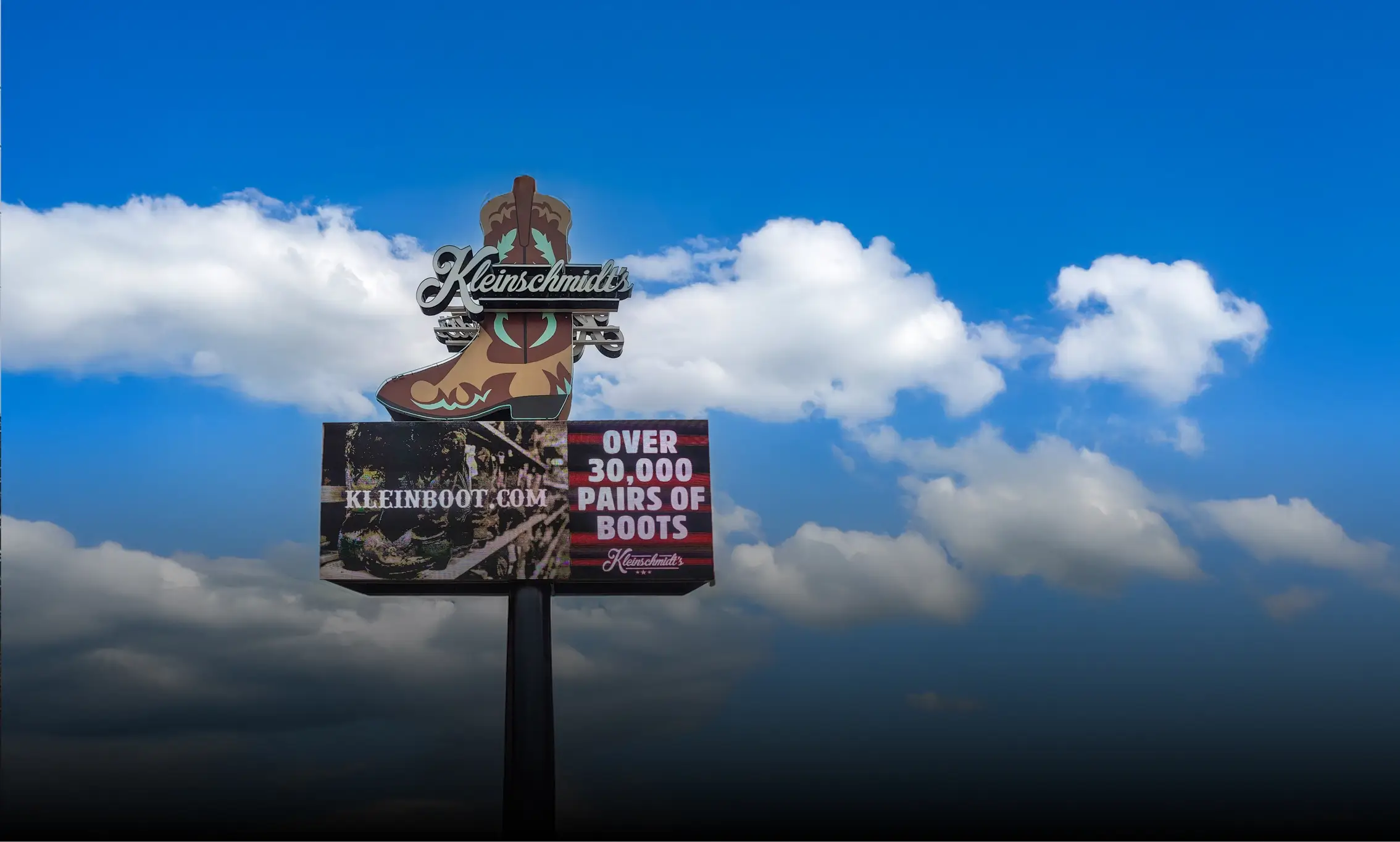
Outdoor advertising: poster-style advertisements are almost completely replaced with digital billboards – an outstanding feature on the roadways of all developing countries in the world. Not only are digital billboards brighter and more attractive, they can display several messages in a day and can be updated remotely. Smart features such as diagnosing service issues automatically is possible with these LED displays in an effort to make maintenance more convenient. Other IoT integrations such as social media, online data sources and weather conditions also produce useful and relevant content for viewers.