
 LED Panels
 Light Box Signs
 Programmable LED Signs
 LED Street Light Solutions
 We’re Available to Help:
 If you have ever browsed LED signs, you probably noticed the word “nits” popping up in specs and product descriptions, yet it often feels like one of those technical terms that no one fully explains. Alongside pixel pitch and resolution, nits play a significant role in determining the power and effectiveness of your display in real-world conditions. But what do nits actually mean, and what does it have to do with outdoor LED sign brightness? In this guide, we will delve deeper into ‘nits’ so you can be a better-informed buyer.
What Exactly Are Nits?
“Nits” is the common term used to measure brightness, specifically how much light a display emits. In technical terms, one nit equals one candela per square meter (cd/m²). The higher the nits, the brighter the LED display.
To put brightness levels into perspective, here’s how different screens typically compare:
- Smartphone displays: 500–1,000 nits
- Televisions: 300–700 nits
- Retail indoor LED signs: 800–1,500 nits
- Outdoor LED signs: 5,000–10,000+ nits
Notice the huge difference in outdoor nits for LED displays? It is because outdoor conditions are far more demanding. Sunlight, reflections from passing vehicles, rain, dust, and long viewing distances all compete with your message for attention. To cut through that visual noise and remain readable all day long, outdoor LED signs require a significantly higher brightness level (a lot more nits) than other displays.
Why Nits Matter for Outdoor LED Signs?
Brightness directly affects how effectively your message is communicated. From visibility and safety to brand perception and compliance, nits play a major role in the success of your LED sign.
Clear Visibility in Direct Sunlight
Intense daylight can wash out a dim display. A sign that looks vibrant at night may become unreadable at midday if it lacks sufficient brightness.
Strong Branding and First Impressions
Your LED sign often serves as your business’s first point of contact with potential customers. If it looks dull, faded, or unevenly lit, it can give the impression that your brand is outdated or lacks attention to detail, before anyone ever walks through your door.
Safety for Drivers and Pedestrians
While brightness is essential, too much of it in the wrong setting can create glare and distractions, especially near busy roads and intersections. Maintaining the right balance helps protect drivers, pedestrians, and your business from safety concerns and code violations.
Sign Permits, Zoning Laws, and Legal Compliance
It is a key determinant of whether your sign is legally approved. Across the U.S., cities and municipalities regulate outdoor LED signs through sign codes and zoning laws, and many of these rules include specific limits on brightness measured in nits or foot-candles.
How Many Nits Should Your LED Sign Have?
The ideal nits for LED sign brightness depends entirely on sun exposure, viewing distance, and surrounding conditions. While every location is different, most outdoor LED displays in the U.S. fall within three practical brightness ranges:
5,000–6,000 Nits: Best for Low-Sunlight Locations
These brightness levels work well in areas that do not receive strong, direct sunlight throughout the day, such as:
- Walkways with overhead coverage
- Signs mounted beneath architectural overhangs
- Awnings and recessed installations
- Walls that face north and remain mostly shaded
In these conditions, moderate brightness delivers clear visibility without overpowering nearby viewers.
6,500–8,000 Nits: The All-Purpose Outdoor Standard
This range is considered the industry standard for most outdoor signs, making it ideal for:
- Retail and restaurant storefronts
- Strip malls and commercial plazas
- Parking lot information boards
- Churches, schools, and community facilities
It provides strong daytime readability while remaining comfortable and compliant for nighttime operation, making it the most widely used brightness level nationwide.
8,000–10,000+ Nits: Built for Harsh Light and Fast Traffic
In environments with extreme brightness and long viewing distances, higher nit levels are essential. This range is best suited for:
- Digital billboards along major roadways
- Highway and roadside advertising
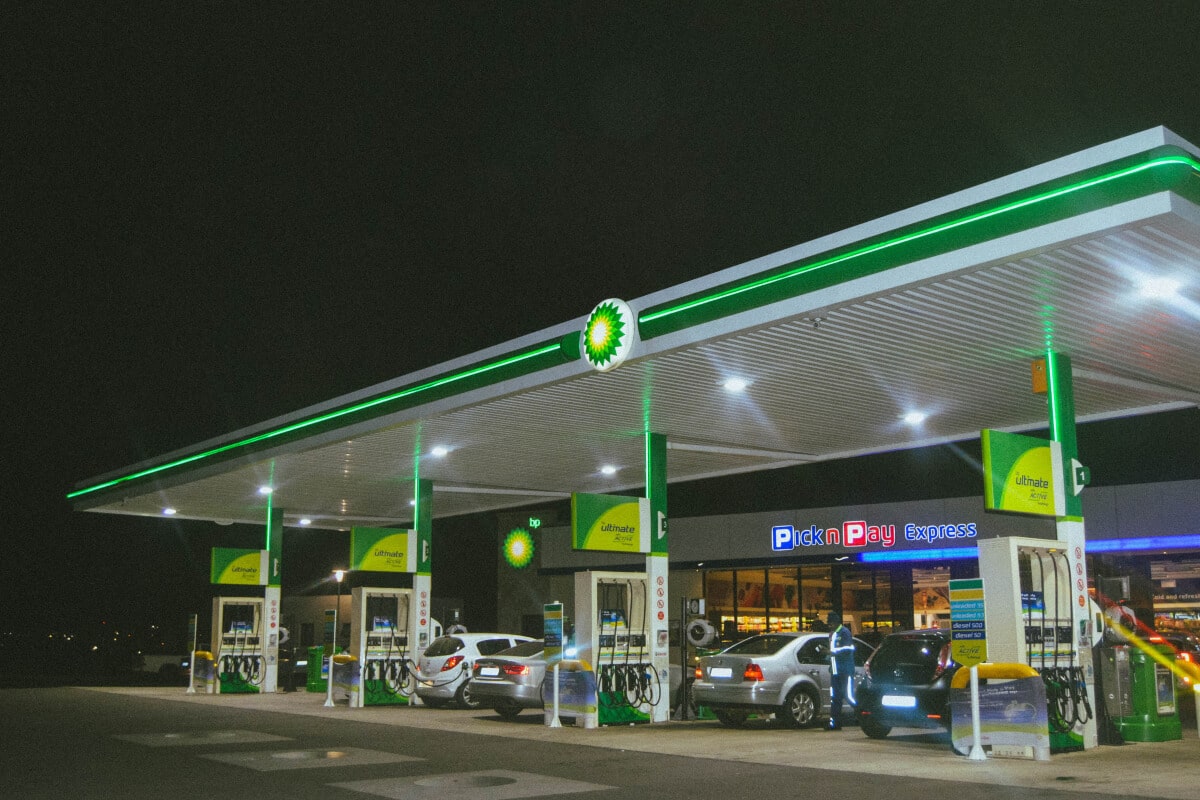
- Fuel station price and branding signs
- Stadiums, arenas, and large venues
- South- and west-facing signs with full sun exposure
These high-output nits LED displays are designed to remain bold and readable even in direct sunlight, glare, and high-speed traffic conditions.
Nits and Automatic Brightness Controls
Even with the perfect nits, your sign needs to adapt to changing lighting conditions to maintain perfect visibility and readability. That’s why today’s outdoor displays are equipped with automatic brightness control systems.
Automatic dimming technology continuously adjusts your sign’s brightness to match the surrounding environment by:
- Boosting brightness during daylight hours for maximum visibility
- Softening light output automatically at night for viewer comfort
- Minimizing glare and reducing neighborhood disturbances
- Protecting LED components and extending display lifespan
- Lowering overall energy usage
Across much of the U.S., local sign ordinances require nighttime dimming to limit light pollution and protect nearby residential areas. Without automatic brightness control, your sign may not only be uncomfortable to look at, but it could also be out of compliance with local regulations.
The Right Combo for Perfect Brilliance
True legibility comes from the right combination of technical and visual factors working together, including:
- Brightness (nits)
- Pixel pitch (image resolution)
- Viewing distance
- Overall screen size
- Contrast levels
- Quality of content design
To put it into perspective, a 10,000-nit display with poor resolution can still appear blurry or hard to read up close. On the other hand, a well-designed 6,500-nit sign with an optimized pixel pitch can deliver sharper, more readable visuals for storefront viewers. The key is balancing nits in LED signs with resolution and viewing conditions.
Balancing Pixel Pitch and Brightness for the Best Visual Impact
When brightness and pixel pitch are properly matched, the results are clear and powerful:
- A small pixel pitch paired with moderate brightness produces sharp, eye-catching visuals for storefronts and pedestrian viewing.
- A large pixel pitch combined with higher brightness delivers bold, easily readable content for drivers at greater distances.
For real-world applications:
- A P6 display (6mm pixel pitch) performs exceptionally well at 6,000–7,000 nits for walk-up or sidewalk viewing.
- A P10 or P16 sign typically requires an 8,000+ nits to remain bright and readable along roadways and highways.
Matching these two elements correctly ensures your LED sign looks sharp up close and remains visible at a distance without wasting energy on unnecessary brightness.
How Geography Controls Nits
The climate and geography of your sign’s location have a significant impact on the brightness level required for optimal visibility.
- Sun Belt States (FL, TX, AZ, NV, CA): Intense sunlight throughout the day requires signs to have a higher minimum brightness to remain readable.
- Northern States: With more cloud cover and lower sun angles, these regions often allow for slightly lower nits without compromising visibility.
- Coastal Areas: Reflections off water and buildings, combined with salty air, demand higher brightness and durable, weather-resistant sealing to ensure both visibility and longevity.
Tailoring your LED sign’s brightness to local conditions ensures your message is clear, vibrant, and long-lasting, wherever it is located.
Factors to Consider When Choosing Brightness for Your Sign
By evaluating these factors, you can pick the right number of nits for LED signs that maximizes visibility, impact, and compliance.
Installation Location
Consider the environment: Is your sign tucked in the shade, partially exposed, or fully under the blazing sun? Sunlight intensity will dictate how many nits you actually need.
Viewing Distance
Consider how your audience will see your sign. Are they strolling by on the sidewalk or driving past at highway speeds? Longer distances usually require higher brightness to maintain clarity.
Facing Direction
Signs facing south or west get the most direct sunlight. These orientations often need extra brightness to stay readable throughout the day.
Operating Hours
If your sign is running after dark, automatic dimming is a must. It ensures your display is safe for viewers, avoids glare, and stays compliant with local ordinances.
Local Sign Regulations
Every city and state has rules for outdoor digital signage. Confirm maximum brightness limits and zoning restrictions before installation to avoid fines or forced adjustments.
Perfectly Calibrated Specs for your LED Signs
Understanding nits removes the guesswork from buying an outdoor LED sign. Brightness needs to be utilized strategically for outdoor signs to perform at their peak. The key is matching LED sign brightness to real-world conditions. When brightness, resolution, placement, and content all work together, your outdoor LED sign becomes one of the most powerful visibility tools your business can own. LED Craft signs are custom-designed with tailored pixel pitches, nits, contrast levels, resolution, and automatic brightness controls for your location. With sign permit assistance, we ensure your signs are compliant with local laws. manufactured in-house, you can be sure of quality that delivers optimal visual impact and functionality. Discover our signs today!