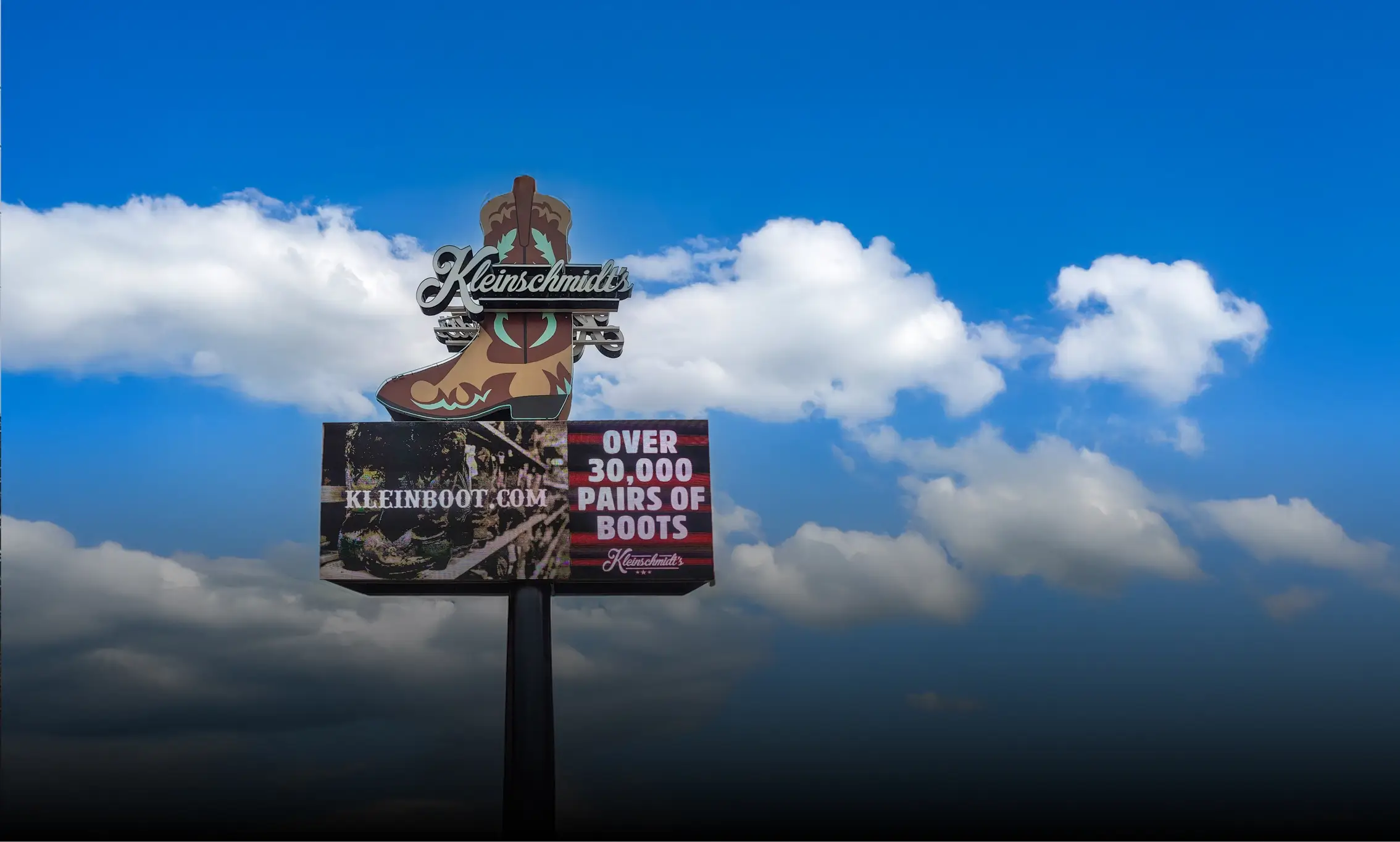

 LED Panels
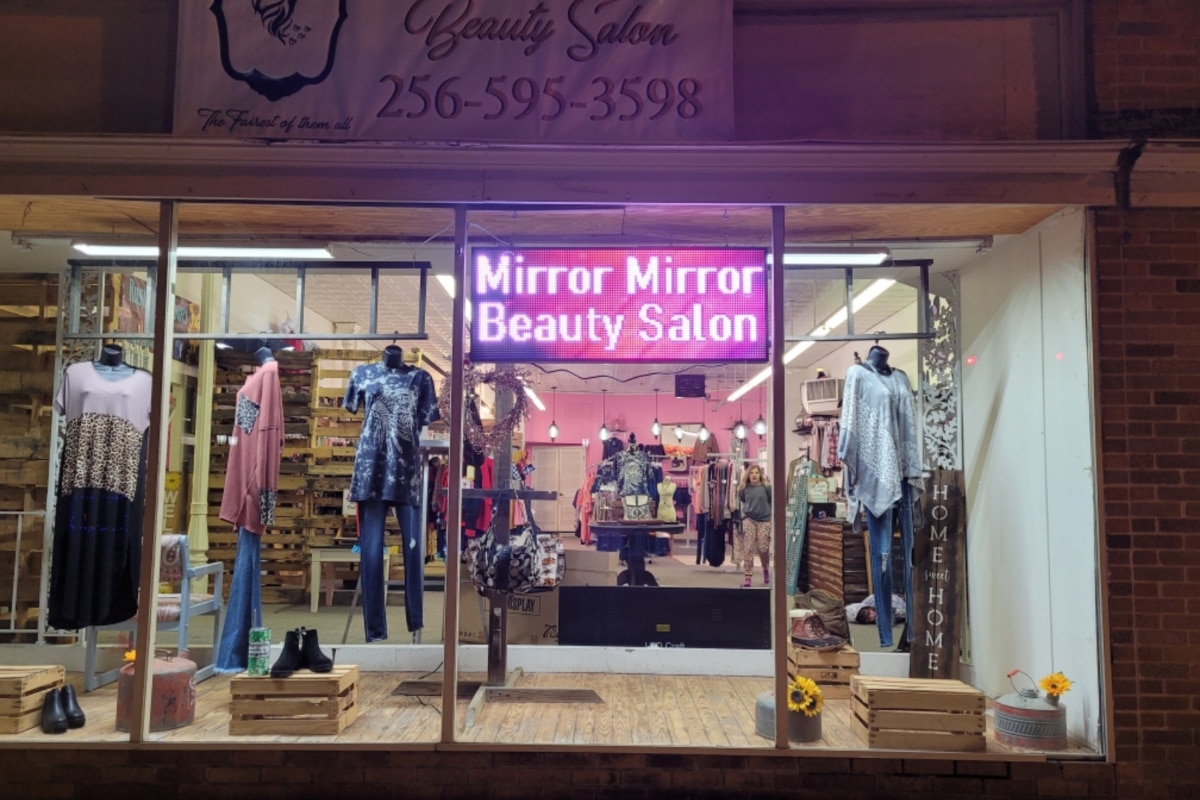
 Light Box Signs
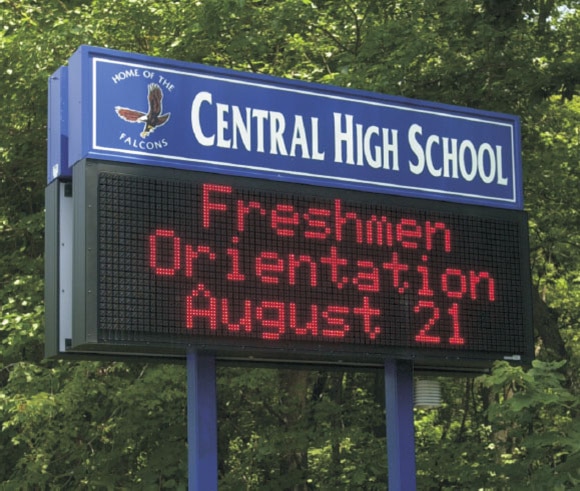
 Programmable LED Signs
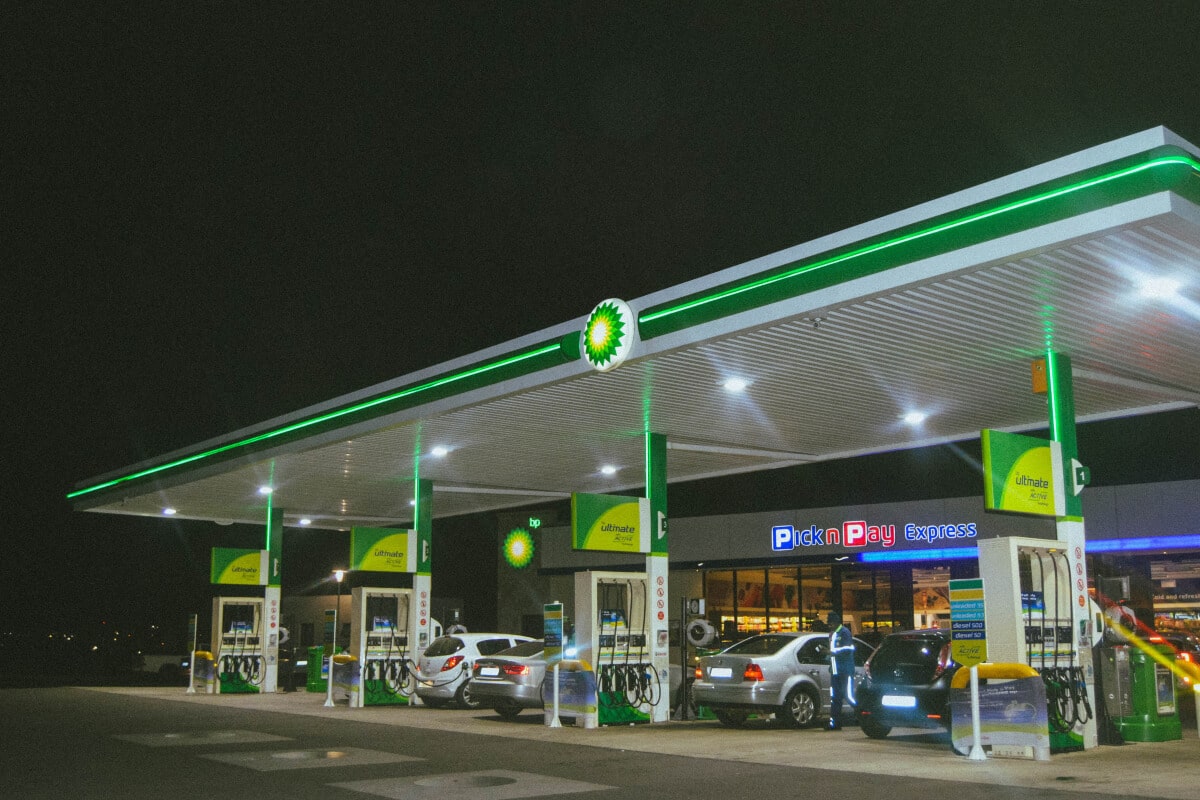
 LED Street Light Solutions
 We’re Available to Help:
 LED Video walls come in all shapes and sizes as they are a collection of LED displays tiled together to form one massive screen. In an interconnected world, video wall technology makes a big impact on businesses, regardless of which industry they are working in. From corporate workspaces to digital signage in a lobby, public spaces, waiting rooms, class rooms, auditoriums, mission-critical control rooms and a variety of other environments, video walls are the ideal tool for conveying information.
Many popular brands, large multinationals, and Fortune 500 companies have realized how effective video walls are, and because of its increased usage, they are now becoming more affordable and scalable. Smaller organizations are also on-board this technology as it can result in more productivity and brand visibility.
Here are 6 benefits of LED video walls supported with use cases in relevant situations to give you a better idea.
1. Internal & External Communications
In an office environment, every workspace, control room and public space has a lot of information that has to be communicated to employees, visitors and customers in order to offer an efficient experience to all. LED video walls are a great tool to share visual information with a high impact. Because they have a large number of pixels, it is possible to combine information coming from a wide range of sources in a variety of formats. Airports for example display flight schedules, advertisements and emergency instructions, everything on video walls.
Lobbies and breakrooms in corporate offices can display daily announcements, key performances, social media live feeds, corporate advertising, as well as welcome messages for guests, all in one LED display. University campuses and corporations also incorporate video walls in collaboration rooms, classrooms and conference rooms. Emergency centers use video walls to provide critical information in helping operators to quickly and accurately respond to an emergency situation. Centers that monitor security and transport may require access to IP cameras and interaction with video management systems. These needs can be accomplished with the right video walls and controllers.
2. Easy Configuration and Control
Advanced technology doesn’t always have to be complex. Video wall controllers can make the configuration of video walls much simpler, thereby giving users complete control of what can be displayed, where and how it can be displayed, and a customizable experience without requiring any knowledge of programming. Processors of video walls are available for all varieties, and some also come with a software platform that offers easy management of content distribution across all video walls within an organization, or even in a multi-site organization, from one central platform. It would be a good idea to collaborate with a content and design agency to enhance the visual experience of your LED display and make the most of your investment.
3. Interactivity
In today’s technological era, consumers expect smart systems and interactivity from retailers and employees expect the same from employers. By incorporating incredible graphics, video walls offer new levels of engagement where viewers can touch and interact with the screen to bring up more graphics and information.
4. Reliability & First Impressions
When do you get a second chance to make a first impression? Imagine what customers will think when they step into your workspace and notice a malfunctioning video wall, or rather ‘the blue screen of death’? Apart from the bad impression, that malfunctioning video wall may actually cause catastrophe at an emergency center or a security manufacturing facility. Therefore, when investing in an LED video wall, make sure you are choosing the right video wall processor in order to avoid that big blank blue screen! For maximum value of your investment, a high-quality video wall processor is essential to provide reliability, security, usability and increased performance.
5. Multi-Source Visualization
A large video wall is most often used to display content from a variety of sources. If you want to exhibit video streaming from a range of channels in a variety of formats on your digital display at once, a video wall processor that is interoperable and able to process any content source format and produce it on any display type will be preferable. Make sure your video wall processor does not have format limitations and can display LCD, LED, projector, and other display types as well.
6. Increased Flexibility, Scalability and Creativity
Implementing a video wall means business owners can display a wide variety of content such as promotions, news, product launches, dashboards, and so much more – that too with easy management and controlling. You can increase the size of a video wall without having to replace the digital screen or the video wall processor. All you have to do is just add more LED display units to increase the canvas size and upgrade the video wall processor on-site to handle more displays. Moreover, content creators can maximize their creative capacity as they are able to do almost anything, virtually. Any type of content can be processed from apps and display sources can be configured in any size or aspect ratio. Layouts and graphics can also be changed as often as required – all with a touch of a button!
Conclusion
Video walls offer companies amazing versatility in carrying out better operations. The above-mentioned benefits must be taken into consideration and thereby invest in a video wall for your organization to enhance brand image and more productivity. Only your imagination limits the scenarios in which video walls can be used!